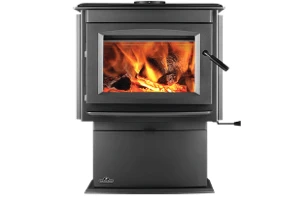
A properly installed wood stove is a safe, reliable heater. The majority of stove-related house fires trace back to one of three things: a stove placed too close to combustibles, inadequate floor protection, or a neglected chimney. Here is how to get all three right.
Clearances to combustibles
Every stove is tested and listed with minimum distances to walls, ceilings and furniture, printed on the data plate and in the manual. Typical rear and side clearances are 6 to 18 inches for modern stoves, far less than the 36 inches required for unlisted appliances. Clearances can be reduced with a listed heat shield, but only by the amount the manual allows.
Hearth pads and floor protection
The stove must sit on a non-combustible hearth pad that extends in front of the loading door, usually 16 to 18 inches, and 8 inches to the sides and rear. Hearth pads are rated by thermal resistance (R-value); the manual states the minimum your stove needs. A thick tile pad on plywood is not enough on its own.
The chimney system
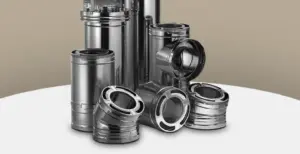
- Use UL-listed Class A chimney pipe from the ceiling up, and the correct black stove pipe from the stove to the ceiling.
- Maintain the 3-2-10 rule: the chimney must extend at least 3 feet above the roof where it exits and 2 feet higher than anything within 10 feet.
- Fit a cap with a spark arrestor and inspect it each fall.
Burn the right wood
Seasoned hardwood with 20 percent moisture or less burns hotter and produces far less creosote. A $20 moisture meter pays for itself in the first season. Never burn treated lumber, painted wood or household trash.
Detectors and habits
Install smoke and carbon monoxide detectors on every level, keep a fire extinguisher nearby, and empty ashes into a metal container with a lid, stored outside away from the house. With those basics in place, a wood stove will give you decades of safe, inexpensive heat.