Fireplace Insert Buying Guide: Turn a Drafty Hearth Into a Heater
-
Niche Fireplace Team
A traditional open fireplace is beautiful but inefficient: as little as 10 percent of the heat makes it into the room. A fireplace insert is a sealed heating appliance that slides into your existing firebox and turns it into an efficient heater, often doubling the warmth while cutting wood or gas use.
Measure your existing fireplace
Inserts are sized to fit inside your masonry or factory-built firebox, so start with four measurements: opening width, opening height, depth from the front of the hearth to the back wall, and the width of the rear wall. Write down the chimney height too, since liner kits are sold by length.
Choose a fuel
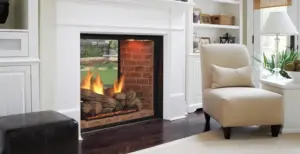
- Gas inserts are the most popular upgrade. They light with a remote, run during power outages on many models and need only a gas line and a flexible liner run up the chimney.
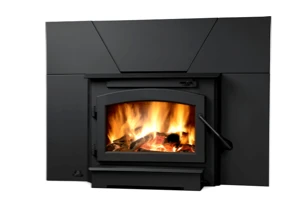
- Wood inserts deliver the most heat and keep the real-fire experience. EPA-certified models burn cleanly and can heat 1,500 sq. ft. or more.
- Electric inserts are the simplest install: slide it in, plug it in and enjoy the flame effect, with 1,500 watts of supplemental heat.
Do not skip the liner
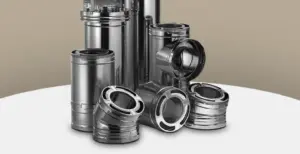
Gas and wood inserts must be connected to a stainless steel chimney liner that runs the full height of the chimney. The liner keeps exhaust moving, prevents creosote build-up in the old flue and is required by every manufacturer for the warranty to apply. Most of our inserts can be bundled with the matching liner kit.
Finishing touches
A surround or trim kit closes the gap between the insert and the fireplace opening for a clean, built-in look. Blowers push warm air into the room and are worth adding to any gas or wood insert used as a primary heat source.
Need a second opinion?
Send us photos of your fireplace and the four measurements above through the contact page. We will confirm which inserts fit and what liner length you need.
In this guide
Need help choosing?
Send our specialists the room size, fuel options and a photo of the space. We reply within one business day.
Shop by category
Related guides

Gas vs. Electric vs. Wood: Which Fireplace Is Right for Your Home?
Each fuel type has a sweet spot. Here is how gas, electric and wood fireplaces compare on heat, cost, installation and everyday use.

How to Size a Fireplace or Stove: BTUs Explained
Too small and the room stays cold; too big and you roast. Use this simple method to match BTU output to the space you want to heat.
Direct Vent vs. Vent-Free Gas Fireplaces: What’s the Difference?
Both run on gas and both look great. The difference is how they handle combustion air, and that changes where and how you can install them.
Ready to shop?
Nearly 4,000 fireplaces, inserts, stoves and outdoor products with free shipping over $99.